Contact Us

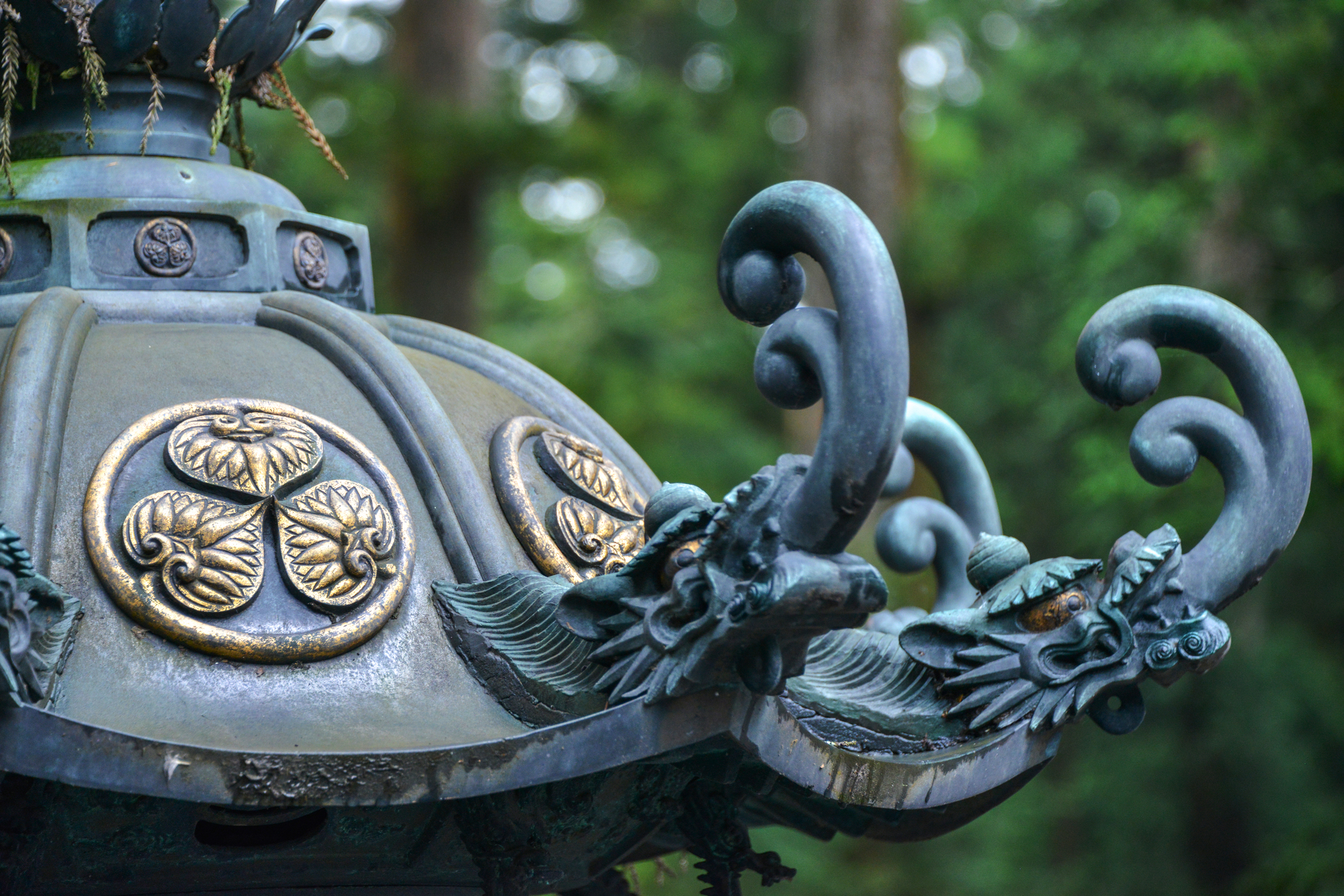
A Brief Introduction to Family Crests
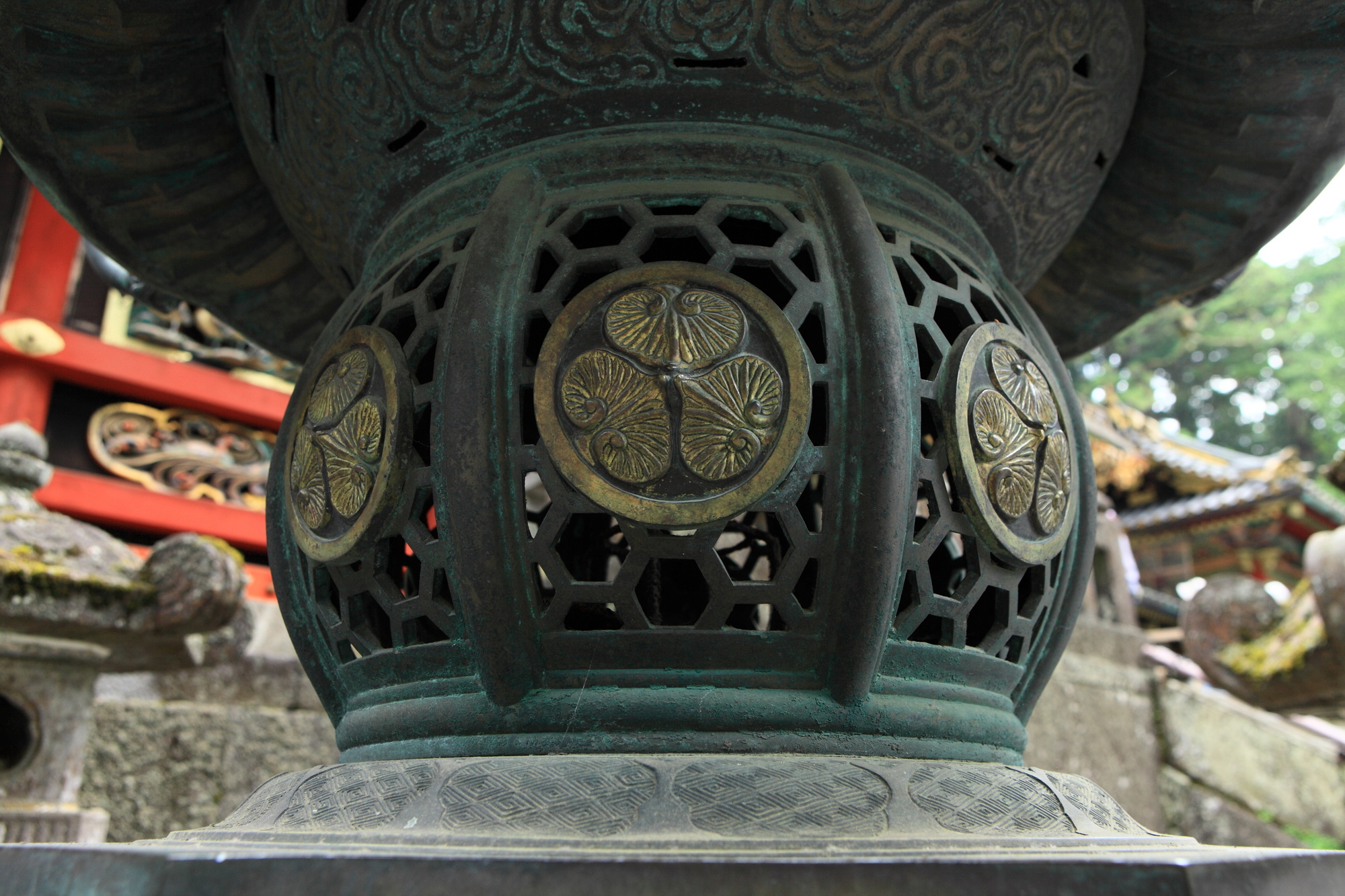
Family Crests and Last Names
For much of the world, the most typical signifier of a shared family relationship is a family name, and Japan is no different. But while this last name can be helpful for confirming a family crest, it is a difficult starting point for finding one.
This is due to the fact that Japanese individuals who share a surname can have wildly different origins, and are often completely unrelated. With roughly 80% of all family names derived from existing place names and geographical characteristics, individuals from opposite sides of the country can share a family name, despite having no ancestral connection. As a result, determining family crests from family names can be difficult.
Family Crests Can Change
During the Edo period (1603-1868), family crests were more freely used than surnames. Possessing a family name was a privilege reserved for the samurai class. However, commoners were free to choose their own family crests, outside of a few specific designs reserved for lords.
Additionally, family crests were not officially registered, making it simple to change one’s crest. As these crests represented an individual family line, when new families branched off of the main family, they would often adopt new crests. In some cases, the existing crest’s design was subtly altered, while in other cases, an entirely new crest would be created. Furthermore, some samurai had the practice of bestowing their family crests on vassals who had particularly impressive achievements. As a result, even these crests representative of famous families slowly propagated into a larger proportion of the population.
Essentially, family crests could change over time, and the number of families using a single crest could also grow.
Families Not Limited to One Crest
Though people generally only had one surname and related family line, crests were free to be passed down, bestowed, or changed, making it relatively common for a family to have multiple family crests. Some regions had the additional custom of passing down family crests through the female family line, or an onnamon (女紋) ‘women’s crest’. As a result, some families actively used multiple family crests.
Family Crests are Unregistered
Japan has never had an official, universal system for registering family crests. While some warlords prior to the Edo period exerted control over their own crests, commoners were never required to register their chosen crests.
As a result, the use of family crests, while free, was also a bit precarious. If even a single generation stopped using a crest, it wouldn’t continue to be passed down, and could be forgotten. This phenomenon became more common after the beginning of the Meiji period in 1868, as Japanese commoners gained surnames and so slowly began to disfavor family crests.
Researching Your Own Family Crest
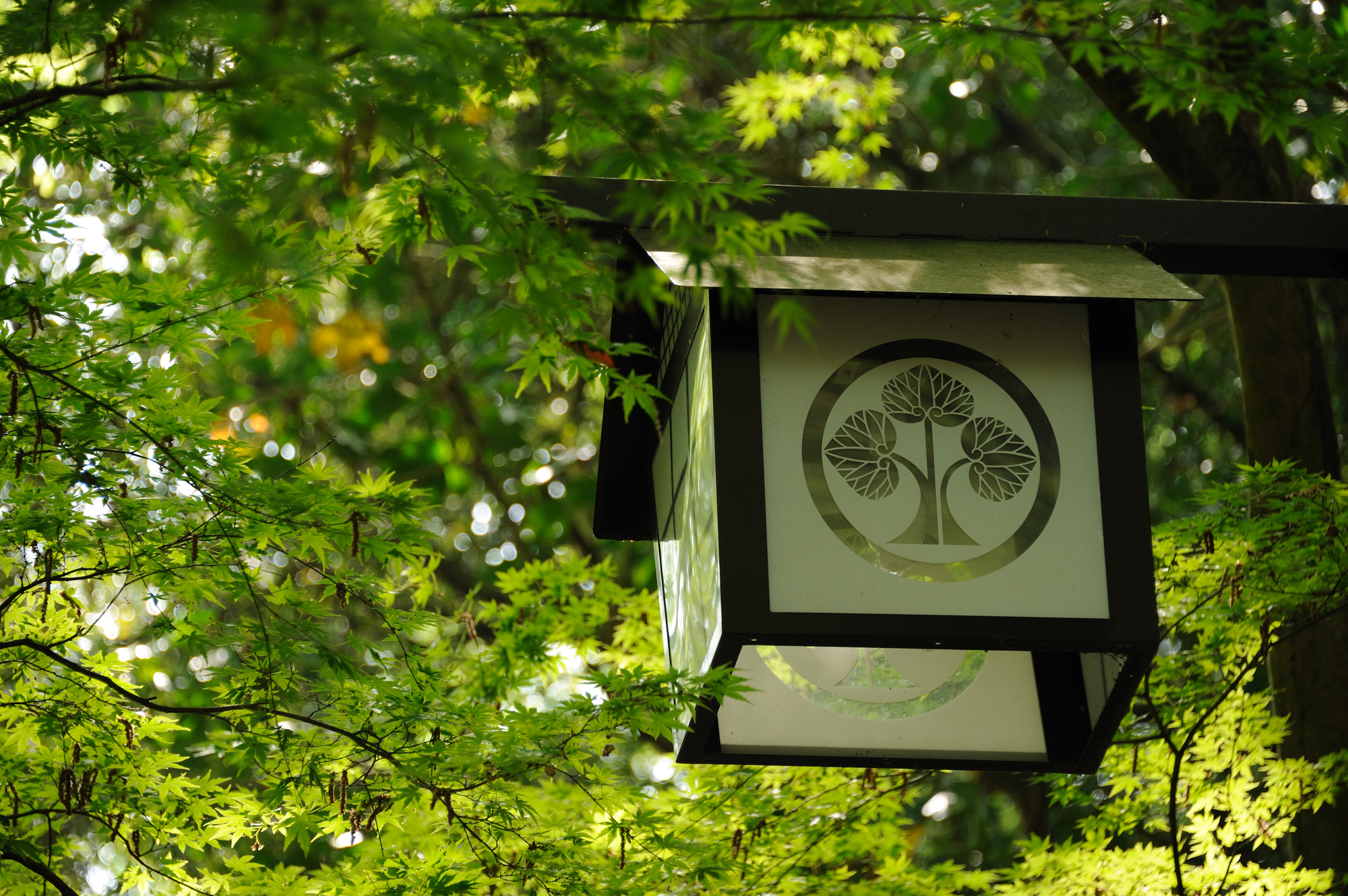
There are several potential ways to research your family crest. They range from simple to time-consuming and labor-intensive. These methods will be introduced here from easiest to most difficult.
Ask Your Relatives
Perhaps this seems too obvious, but the easiest way to research your family crest is to ask your Japanese relatives if they know anything about the topic. If the crest has continued to be passed down, then they may be able to share their knowledge of the crest. However, if you have no connections to Japanese relatives, the next best option is to examine objects related to your family.
Examine Family Graves
If you have access to a family grave, arranging a visit would be the next recommended option. In many cases, multiple generations of a single family line will be interred in the same plot, making these important sites to visit for any kind of genealogical research.
If you are lucky, you can find your family crest engraved somewhere in your family’s plot. And if you are unable to visit or if the plot has already been closed, perhaps you may be able to find images of it in old family photographs.
Understanding Your Findings
If you are able to visit a grave and find a crest, or discover what it is through any other means, make sure to take a picture. Once you know what your family crest looks like, you can then find its name. It is estimated that Japan has roughly 20,000 different family crests, but unless it is particularly rare, you should be able to find the same crest somewhere online.
The names of crests generally describe the pattern, such as ‘Maru ni Katabami’ ([丸に片喰] Encircled Woodsorrel) or ‘Chigai Taka no Hane’([違い鷹の羽] Layered Hawk Feathers). Though it will require a bit of Japanese ability, discovering a crest’s associated name can be useful in aiding your search.
Ancestral Heirlooms
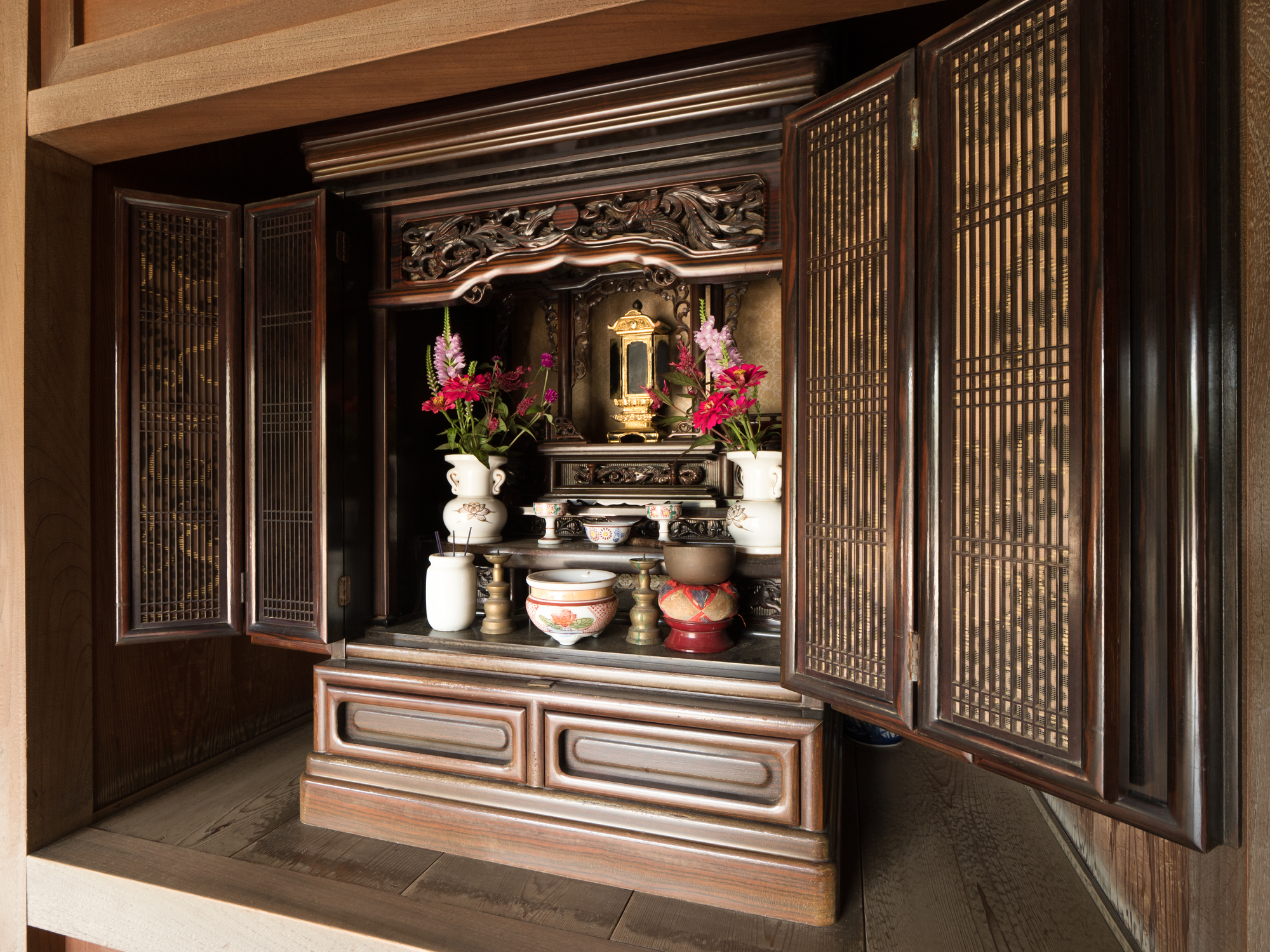
Another way to research your family’s crest is through examining any Japanese family heirlooms you may possess. Objects of a more religious nature, like butsudan (仏壇), home Buddhist altars, are often decorated with the family crest. If you have any formal attire passed down in your family, like hakama (袴) or yukata (浴衣), there is a chance that your family crest can be found embroidered on these items. While these may be some of the more common places to find a family crest, it is well worth looking through everything you have; crests can often turn up in unusual places. For example, while you may not have these items yourself, perhaps you have old family photographs. There is a chance that you may find pictures of your ancestors wearing these clothes for special occasions, so take a look!
Advanced Family Crest Research
While the methods above tend to be the easiest in terms of finding results, they can often be difficult for Japanese descendants living overseas. In many cases, those seeking to research their family history have no contact with Japanese relatives, have no possessions passed down through their family, and have no knowledge of where the family’s grave may be.
In this case, the best method is to trace your family line as far back as possible, using koseki records. XXXX Three link options: History of Koseki article, How Long Are Kept article, Koseki Services page; no definitive ‘what is a koseki’ XXXXX Considering that family crests began to fall out of popularity once commoners were allowed surnames in the Meiji era, it is important to get copies of your family’s koseki for as far back as possible. Doing so will help make your family crest research more feasible.
Please note that due to the nature of these research methods, some level of fluency in Japanese and familiarity with genealogical research is necessary.
1. Obtaining Koseki Records (Family Registers)
If you are able to obtain the oldest koseki possible, it should include information on your ancestors from the tail end of the Edo period. Additionally, records prior to World War II often include notes about when branch families split off, though they don’t note whether your ancestors are the main family line. Discovering whether your ancestors are a branch or the main line can help narrow down your search for your specific family crest, finding the one that is associated with not just your surname, but your specific family line.
If you are interested in learning more about obtaining your family’s koseki records, please feel free to contact us! Japan Genealogy Connect offers services to help individuals obtain these important genealogical records.
2. Surveying Ancestral Hometown
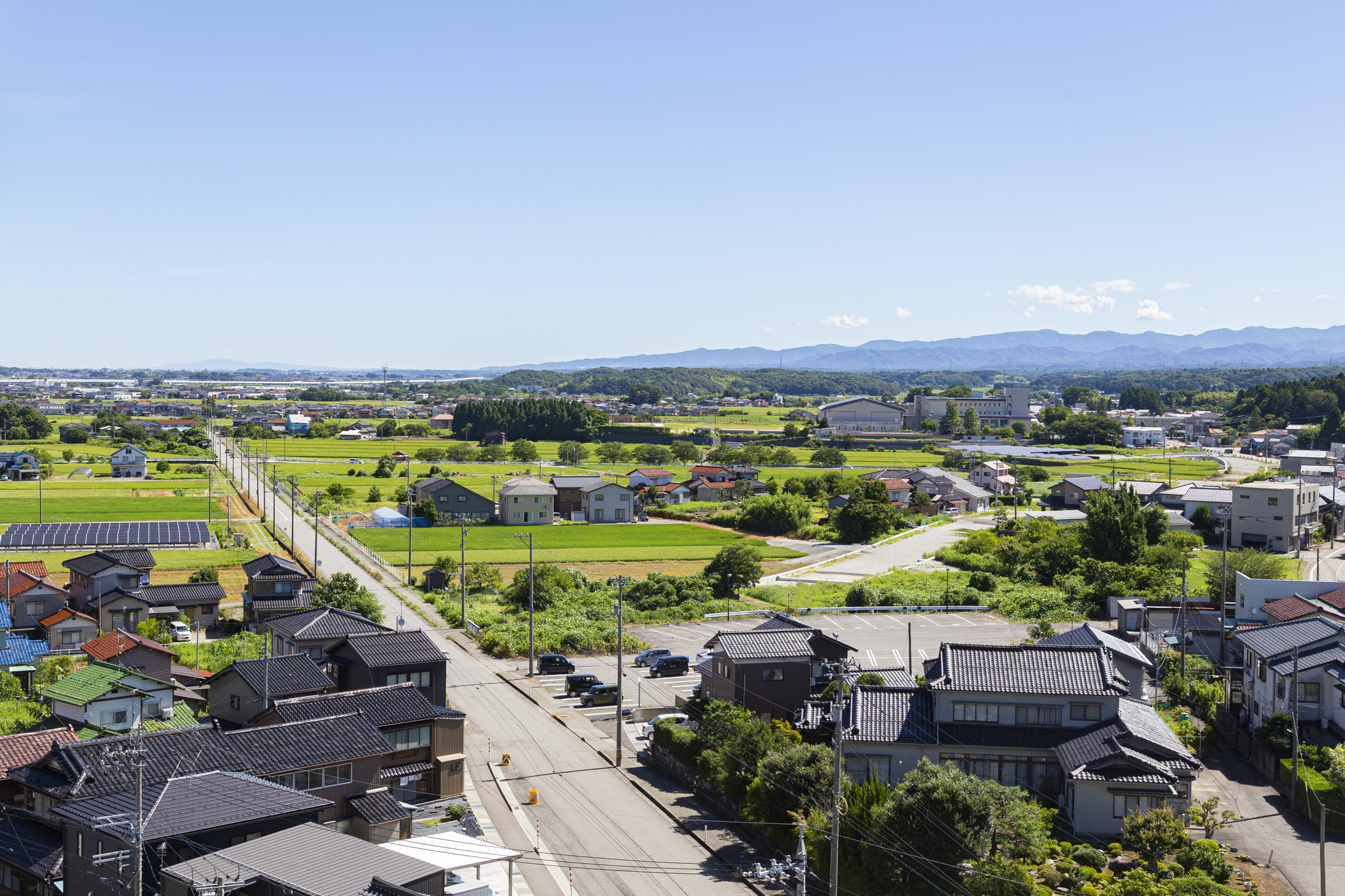
The next step is to begin investigating your ancestors’ hometown. Their honsekichi (本籍地), or permanent domicile, is recorded on the koseki. However, addresses have almost certainly changed in the decades since. As a result, it is necessary to check with the local city or town hall to learn where the current corresponding address of that domicile should be located.
In the best case scenario, that address will still be a residence; particularly in more rural areas, there is a good chance that those living there now are descendants of your ancestors who lived there previously. We would recommend visiting that address in person on the chance that you will be able to learn about your family from someone who may be a distant relative.
However, in some cases, the domicile is no longer an inhabited residence, whether that is due to abandonment or redevelopment. In these cases, instead plan on searching the area for families with the same surname as your Japanese ancestors. We would recommend either searching locally or examining a telephone directory, in the hopes of learning both who shares your surname and some form of contact information. If you are able to get in touch with these individuals sharing your family name, we would recommend sending out a general survey to see if they would be interested in sharing what they know about your family history.
3. Shared Surname Gravestones
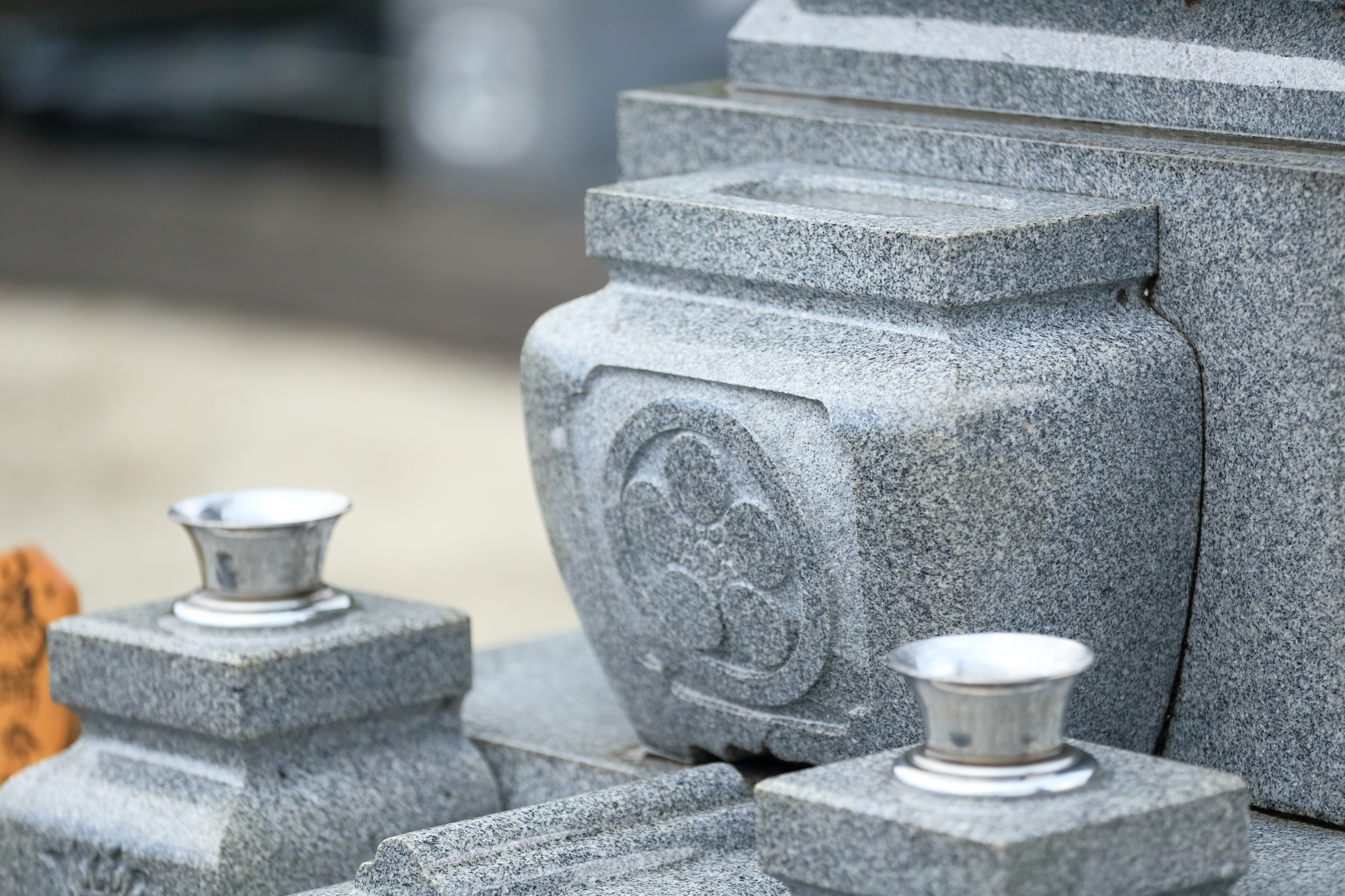
An additional method that requires on-site research is visiting local cemeteries. We recommend doing this at the same time as investigating your ancestors’ domicile, making the most of your time in their hometown. Try visiting the places that you believe your ancestors may be buried; as families were often interred together, finding a location where multiple individuals have the same full names as your ancestors can be a solid sign that you have found the right location. If you are able to find your family’s grave, there is a chance that your family crest will be engraved on it. Additionally, if you can find the temple that your ancestors would have attended, there is also a higher likelihood of finding their graves in the associated cemetery, increasing your chances of finding the correct family crest.
Ask a Professional / Hire a Professional
We hope that this guide has helped you learn some of the ways in which you can pursue family crest research. Many of these approaches can be applied to other aspects of genealogical research as well.
When doing family history research, everyone starts in a different place. Your ability to successfully pursue these various methods of researching family crests will vary based on your access to family possessions, knowledge of the Japanese language, and ability to visit Japan in person.
If you face difficulties or are too busy to complete this research, please consider hiring a professional company like Japan Genealogy Connect. Our experience and familiarity with the process allows us to research more efficiently, while use of our proprietary databases can help fill missing gaps in your knowledge. If you find yourself stuck in your research, please feel free to contact us.
Request a Free Consultation
 Contact Us